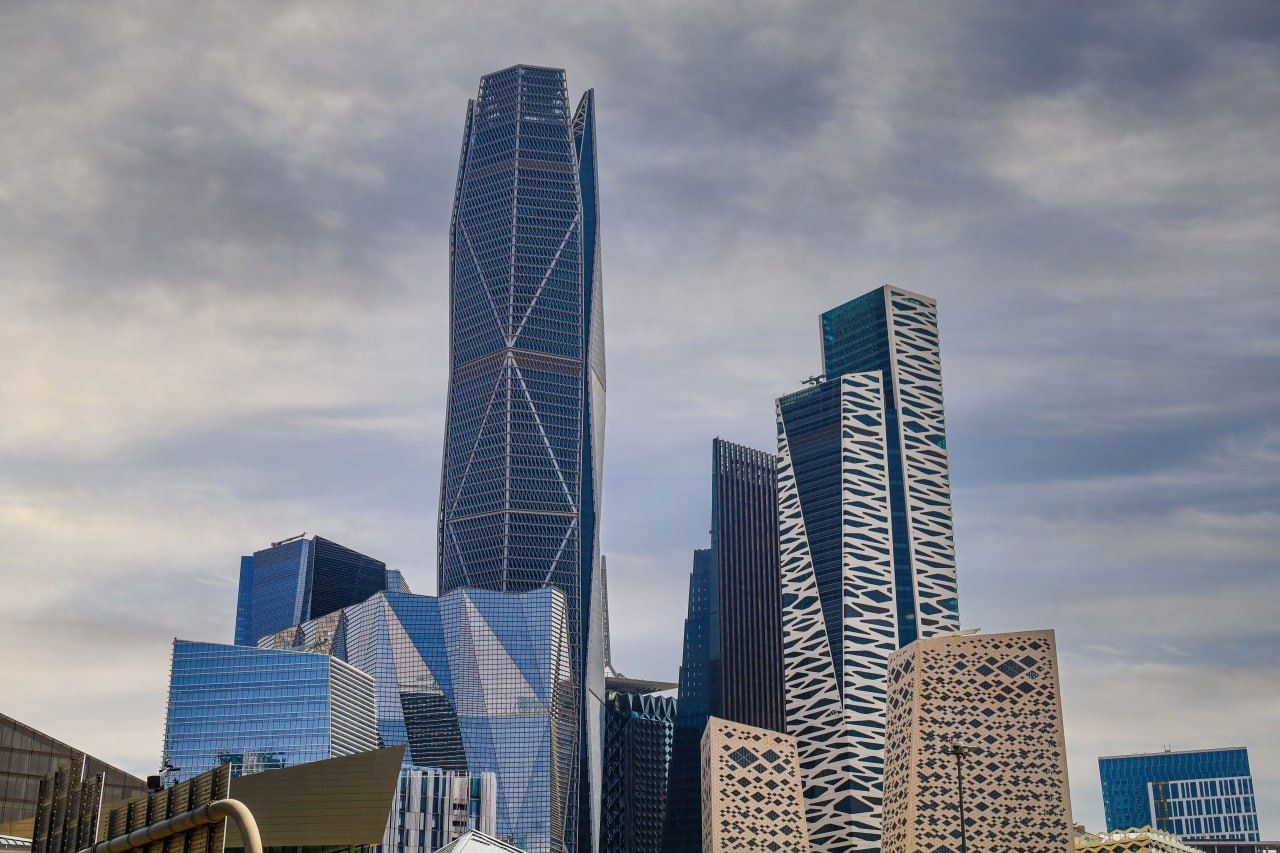
Saudi Arabia’s Transition to Foreign Investment: What Has Changed?
Attracting foreign investment is no longer a tactical task for Saudi Arabia.
It has become a strategic tool for transforming the entire economy.
Under Vision 2030, the Kingdom is shifting from a resource model to a value-oriented investment ecosystem – with a focus on long-term impact rather than short-term capital inflows.
What's changed?
1. Investor experience
Administrative complexity is no longer a key barrier.
Today, priorities have shifted to:
2. Nature of possibilities
Investment goes beyond traditional industries.
Fast-growing areas include:
This reflects a broader shift from a resource economy to an opportunity economy.
3. Position of Saudi Arabia
The Kingdom is no longer seen as a domestic market.
It becomes:
Key Challenge: Not Just Attraction
Attracting investment is only the first step.
The main value is:
This is where the smart investment approach is critically important, focusing not only on capital but also on competencies and real impact.
What does this mean for leaders?
This transformation brings a new level of complexity:
It’s not just about strategy, it’s about leaders’ ability to manage transformation while maintaining balance.
Outcome
Saudi Arabia’s transformation is not just about economic liberalization. It is a rethinking of its role in the global economy. The real opportunity lies not only in entering the market, but also in a deep understanding of the changes taking place and actively participating in shaping the future.
#SaudiArabia #Vision2030 #ForeignInvestment #EconomicTransformation #Leadership #Sustainability
Attracting foreign investment is no longer a tactical task for Saudi Arabia.
It has become a strategic tool for transforming the entire economy.
Under Vision 2030, the Kingdom is shifting from a resource model to a value-oriented investment ecosystem – with a focus on long-term impact rather than short-term capital inflows.
What's changed?
1. Investor experience
Administrative complexity is no longer a key barrier.
Today, priorities have shifted to:
- integrated digital services
- simplified market entry and operations
- greater transparency and predictability of regulation
2. Nature of possibilities
Investment goes beyond traditional industries.
Fast-growing areas include:
- tourism
- entertainment
- technology
- renewables
This reflects a broader shift from a resource economy to an opportunity economy.
3. Position of Saudi Arabia
The Kingdom is no longer seen as a domestic market.
It becomes:
- Regional hub for international companies
- strategic gateway connecting Asia, Europe and Africa
Key Challenge: Not Just Attraction
Attracting investment is only the first step.
The main value is:
- long-term retention
- knowledge transfer
- Building Sustainable Strategic Partnerships
This is where the smart investment approach is critically important, focusing not only on capital but also on competencies and real impact.
What does this mean for leaders?
This transformation brings a new level of complexity:
- speed-up
- rising pressure on results
- A more dynamic and competitive environment
It’s not just about strategy, it’s about leaders’ ability to manage transformation while maintaining balance.
Outcome
Saudi Arabia’s transformation is not just about economic liberalization. It is a rethinking of its role in the global economy. The real opportunity lies not only in entering the market, but also in a deep understanding of the changes taking place and actively participating in shaping the future.
#SaudiArabia #Vision2030 #ForeignInvestment #EconomicTransformation #Leadership #Sustainability
